
Casein vs Whey: Which Is Better Before Bed?
This post contains affiliate links. If you buy through them, we may earn a commission at no extra cost to you. Read our affiliate disclosure
On this page
- Quick Comparison
- What's the Difference?
- After a Workout: Whey Wins
- Before Bed: What the Research Shows
- Does Whey Work Before Bed?
- Will Protein Before Bed Make You Gain Fat?
- How to Use Protein Before Bed
- Which Should You Buy?
- Best casein: Klean Athlete Klean Casein
- Most popular casein: Optimum Nutrition Gold Standard 100% Casein
- A whey and casein blend: BSN Syntha-6
- If you'd rather just buy whey: Transparent Labs Grass-Fed Whey Isolate
- FAQ
- Is casein better than whey for building muscle?
- Can I mix casein and whey?
- How much casein should I take before bed?
- Is cottage cheese as good as casein powder?
- Is casein bad for lactose intolerance?
- The Bottom Line
Casein is the better-studied choice before bed, but whey is fine too, and neither matters as much as your total protein for the day. Casein digests slowly and releases amino acids through the night, and most pre-sleep studies used 30–40 g of it. Whey digests fast, which makes it the better choice after a workout. If you only want to buy one tub, a good whey covers you day and night; add casein if you like a thick bedtime shake or want to follow the research most closely.
Quick Comparison
| Whey | Casein | |
|---|---|---|
| Digestion | Fast: amino acids peak and fall within a few hours | Slow: a steadier release over several hours |
| Leucine | Higher | Lower |
| After a workout | Better: bigger short-term muscle-building response | Works, but less in the short term |
| Before bed | Works; less studied | Most studied; 30–40 g raises overnight muscle building |
| Texture | Thin, mixes easily | Thick and creamy; good for "protein pudding" |
| Found in | Milk (about 20% of its protein) | Milk (about 80%), Greek yogurt, cottage cheese |
What's the Difference?
Both whey and casein come from milk. When cheese is made, milk separates into curds and liquid: casein is in the curds and whey is in the liquid. Both are complete proteins with all nine essential amino acids.
The big difference is speed. In a classic 1997 study, whey caused a sharp but short rise in blood amino acids, while casein caused a smaller, longer plateau, likely because it clumps in the stomach and empties more slowly. Whey stimulated more protein building; casein did more to slow protein breakdown. That slow release is why casein became known as the "bedtime protein."
Whey also has more leucine, the amino acid that switches on muscle protein synthesis, the process your body uses to repair and build muscle.
After a Workout: Whey Wins
When researchers gave young men the same amount of essential amino acids as whey, soy or casein, whey raised muscle protein synthesis the most: about 93% more than casein at rest and about 122% more after resistance exercise. That was a short-term measurement over a few hours, but it's why whey is the standard post-workout shake.
Before Bed: What the Research Shows
Your body goes 7–9 hours without food while you sleep. Researchers at Maastricht University have run a series of studies asking whether a protein shake before bed helps your muscles use that time:
- It gets digested overnight. In a 2012 study, young men who drank 40 g of casein 30 minutes before sleep, after an evening workout, digested and absorbed it well overnight. Their whole-body protein balance improved, and muscle protein synthesis was about 22% higher than with placebo (a borderline result).
- 40 g seems to be the dose that works. In a 2017 trial of 48 older men, 40 g of casein before sleep raised overnight muscle protein synthesis compared with placebo; 20 g didn't do so significantly. Two of the authors have received research funding or fees from dairy and nutrition companies.
- Over 12 weeks, it added up. In a 2015 study, 44 young men lifted weights for 12 weeks. The group that drank a 27.5 g casein-based shake every night gained more strength and more quadriceps muscle than a group that got a no-calorie placebo.
There's an important catch in that last study: the protein group also ate more protein overall. So it doesn't tell you whether timing mattered or just the extra protein. A 2018 study tested that directly: 13 men took 35 g of casein either during the day or at night for 10 weeks while eating the same total protein. Both groups gained similar muscle and strength. That study was small and partly funded by supplement and dairy companies, but it fits the bigger picture: hitting your daily protein total matters more than when you eat it.
A 2021 systematic review reached a similar view: 20–40 g of casein about 30 minutes before sleep improves overnight protein synthesis in young men, with possible benefits for muscle and strength, but uneven protein intakes between groups mean the results should be taken with caution. The International Society of Sports Nutrition's position stand on protein says 30–40 g of casein before sleep increases overnight muscle protein synthesis.
Does Whey Work Before Bed?
Probably, but it's been studied much less. Whey digests faster, so it won't keep amino acids elevated for as long, but it does give your muscles protein to work with during the first part of the night.
On sleep, two recent studies are reassuring:
- A small 2026 crossover trial in nine resistance-trained adults compared 40 g of whey, 40 g of casein and a carb drink after evening workouts. Whey improved several sleep measures and reduced next-day muscle soreness compared with the carb drink; casein didn't differ significantly from it. With only nine people, it's an early finding, not proof that whey helps you sleep.
- A 2026 trial in 21 college athletes, all women, found that 40 g of casein before bed didn't affect sleep or recovery compared with a placebo.
So neither protein seems to hurt your sleep. If you already have whey, you don't need to buy casein just for bedtime.
Will Protein Before Bed Make You Gain Fat?
Not on its own. Studies in women found that a casein shake before bed didn't change next-morning metabolism or hunger or fat burning compared with other options. But a shake still has calories, about 110–200 per serving, so count it toward your daily total like any other food.
How to Use Protein Before Bed
- Hit your daily total first. For most people who lift, that's about 1.4–2.0 g of protein per kg of body weight. See our guide to how much protein you need per day.
- If you add a bedtime shake, aim for 30–40 g of protein about 30 minutes before sleep, the amounts used in most studies.
- It matters most on training days, especially if you work out in the evening.
- Food works too. Greek yogurt and cottage cheese are naturally rich in casein. A large serving of either makes an easy bedtime snack.
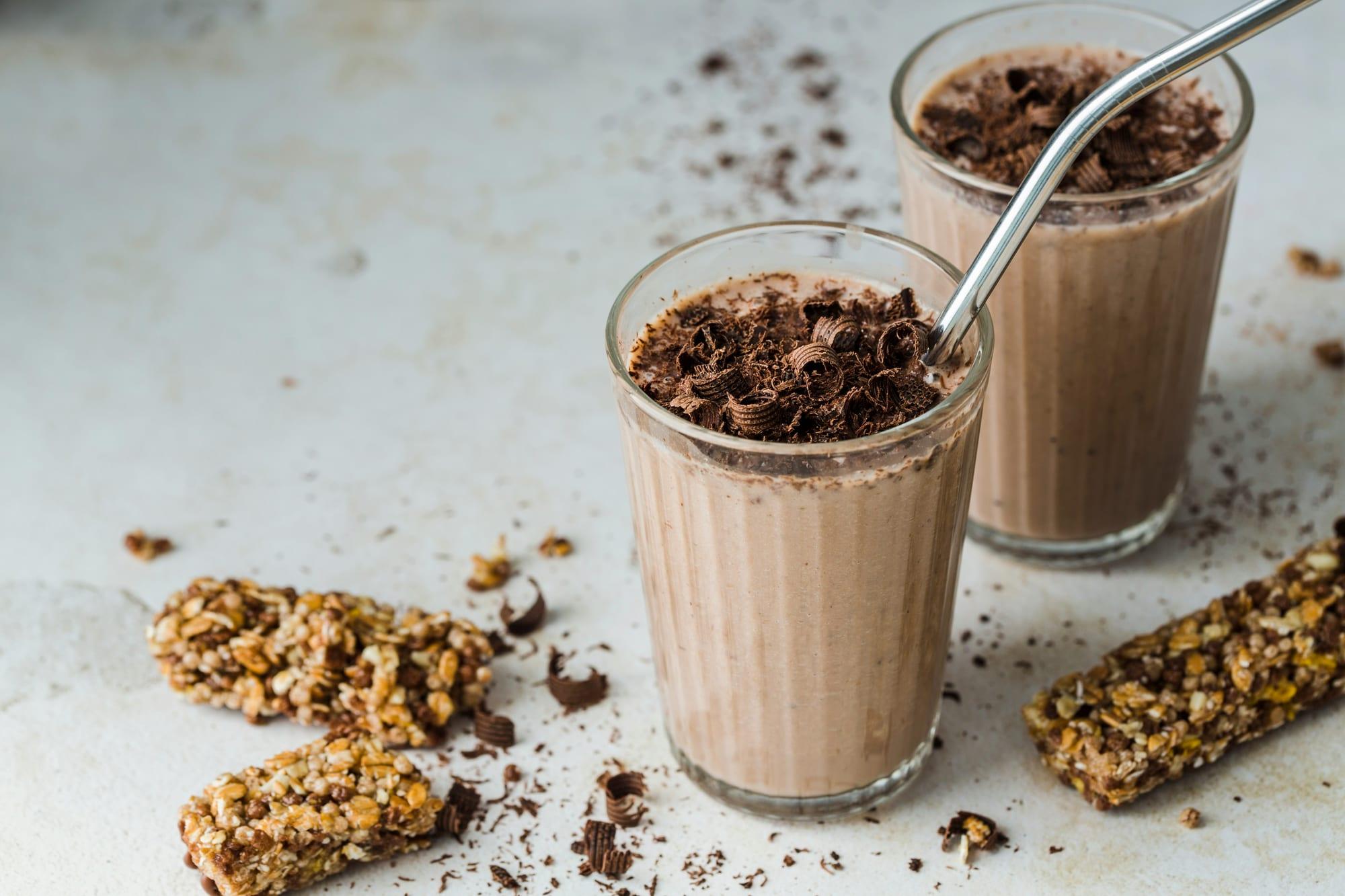
- Make it thick. Casein mixed with a little milk or water turns into a pudding-like snack that feels more like dessert than a shake.
Which Should You Buy?
| If you… | Choose |
|---|---|
| Want one tub for everything | Whey |
| Want a dedicated bedtime protein | Micellar casein |
| Train in the evening and want to follow the research | Casein before bed, whey after training |
| Want one powder with both fast and slow protein | A whey and casein blend |
| Are vegan or dairy-free | A plant protein (plant vs whey) |
How we chose: we didn't lab-test these powders. We compared Supplement Facts labels, protein type and amount per serving, sweeteners and third-party certification, checked on the brands' sites and in NSF's Certified for Sport directory on November 24, 2026.
Best casein: Klean Athlete Klean Casein
Each scoop has 24 g of protein, all from micellar casein, in about 110 calories, sweetened with stevia and monk fruit. It's NSF Certified for Sport, which few casein powders are: when we searched NSF's directory, only a handful of products had "casein" in the name.
Klean Athlete Klean Casein
Most popular casein: Optimum Nutrition Gold Standard 100% Casein
One of the best-known casein powders, with 24 g of protein per scoop from micellar casein in most flavors, a wide range of flavors, and 2 lb and 4 lb tubs. It isn't listed as NSF Certified for Sport, and at least one flavor lists whey as well as casein, so check the label on the flavor you buy.
Optimum Nutrition Gold Standard 100% Casein
A whey and casein blend: BSN Syntha-6
If you want both fast and slow protein in one tub, Syntha-6 blends whey concentrate and isolate with micellar casein, calcium caseinate, milk protein isolate and egg white. It's marketed for its thick, milkshake-like taste. Each scoop has about 22 g of protein in roughly 200 calories, so it's higher in calories, fat and sugar than a pure isolate or casein.
BSN Syntha-6 Protein
If you'd rather just buy whey: Transparent Labs Grass-Fed Whey Isolate
About 28 g of protein per scoop, under 1 g of sugar, and NSF Certified for Sport. Use it after training and, if you like, before bed. For more on choosing a whey, see whey isolate vs concentrate.
Transparent Labs Grass-Fed Whey Protein Isolate
FAQ
Is casein better than whey for building muscle?
Not overall. Whey gives a bigger short-term boost in muscle building, especially after exercise. Over weeks and months, total daily protein and consistent training matter far more than which milk protein you use.
Can I mix casein and whey?
Yes. Some people mix a scoop of each, and blends like Syntha-6 do it for you. You get a fast early rise in amino acids plus a slower, longer release.
How much casein should I take before bed?
Most studies used 30–40 g of protein about 30 minutes before sleep. Smaller amounts, like 20 g, showed weaker effects in older adults.
Is cottage cheese as good as casein powder?
It can be. Cottage cheese and Greek yogurt are rich in casein. You'd need a large serving to reach 30–40 g of protein, but they're a good whole-food option.
Is casein bad for lactose intolerance?
Casein powders contain some lactose. If you're sensitive, start with a small amount, or choose a whey isolate, which is very low in lactose, or a plant protein.
The Bottom Line
Casein is the most-studied protein for bedtime, and 30–40 g before sleep can boost overnight muscle building, especially on training days. Whey is better right after a workout and still works before bed. But the most important thing is hitting your daily protein target; timing and type are fine-tuning. If you want a dedicated bedtime protein, choose a micellar casein like Klean Casein; if you'd rather keep it simple, one good whey covers you. Also see collagen vs protein powder and our ranking of the cleanest protein powders.
Products in this article
- Klean Athlete Klean CaseinCheck price on Amazon →
- Optimum Nutrition Gold Standard 100% CaseinCheck price on Amazon →
- BSN Syntha-6 ProteinCheck price on Amazon →
- Transparent Labs Grass-Fed Whey Protein IsolateCheck price on Amazon →
As an Amazon Associate we earn from qualifying purchases.
Not medical advice. This article is for information only. Talk to a qualified healthcare professional before starting any new supplement, especially if you have a health condition or take medication.
Written by
Nathan
Founder of FuelStackr. Nathan breaks down supplement labels, compares products, and tests what he recommends across four training sessions a week with a pro trainer.
Keep reading
 Protein Powders
Collagen vs Protein Powder: Which One Do You Need?
Collagen is protein, but it's a poor substitute for whey or plant protein if you want to build muscle. Here's how they differ, what the research says about collagen for skin and joints, and which one to buy.
6 min read
 Protein Powders
Best Protein Powders for Women
Women don't need a special "women's" protein. The best protein powder for women is high in protein, low in sugar and third-party tested. Here are six picks for every goal and diet.
8 min read
 Protein Powders
Protein on GLP-1 Medications: How Much You Need to Keep Muscle
On Ozempic, Wegovy, Zepbound or Mounjaro, a big share of the weight you lose can be lean mass. Here's how much protein experts recommend, how to eat it with a small appetite, and why strength training matters just as much.
6 min read