
Does Creatine Make You Gain Weight? Water vs Muscle Explained
This post contains affiliate links. If you buy through them, we may earn a commission at no extra cost to you. Read our affiliate disclosure
On this page
- The Short Answer
- Why Creatine Adds Water Weight
- Does Creatine Make You Gain Fat?
- Water Weight vs Muscle: How to Tell
- How to Avoid the Early Weight Jump
- What If You're Trying to Lose Weight?
- Is the Weight Gain Different for Women?
- Is Creatine Weight Gain a Health Concern?
- FAQ
- How much weight will I gain on creatine?
- Will the weight go away if I stop taking creatine?
- Does creatine make you look bloated?
- Does creatine gummy or HCl cause less weight gain?
- Should I take creatine if I don't want to gain weight?
- The Bottom Line
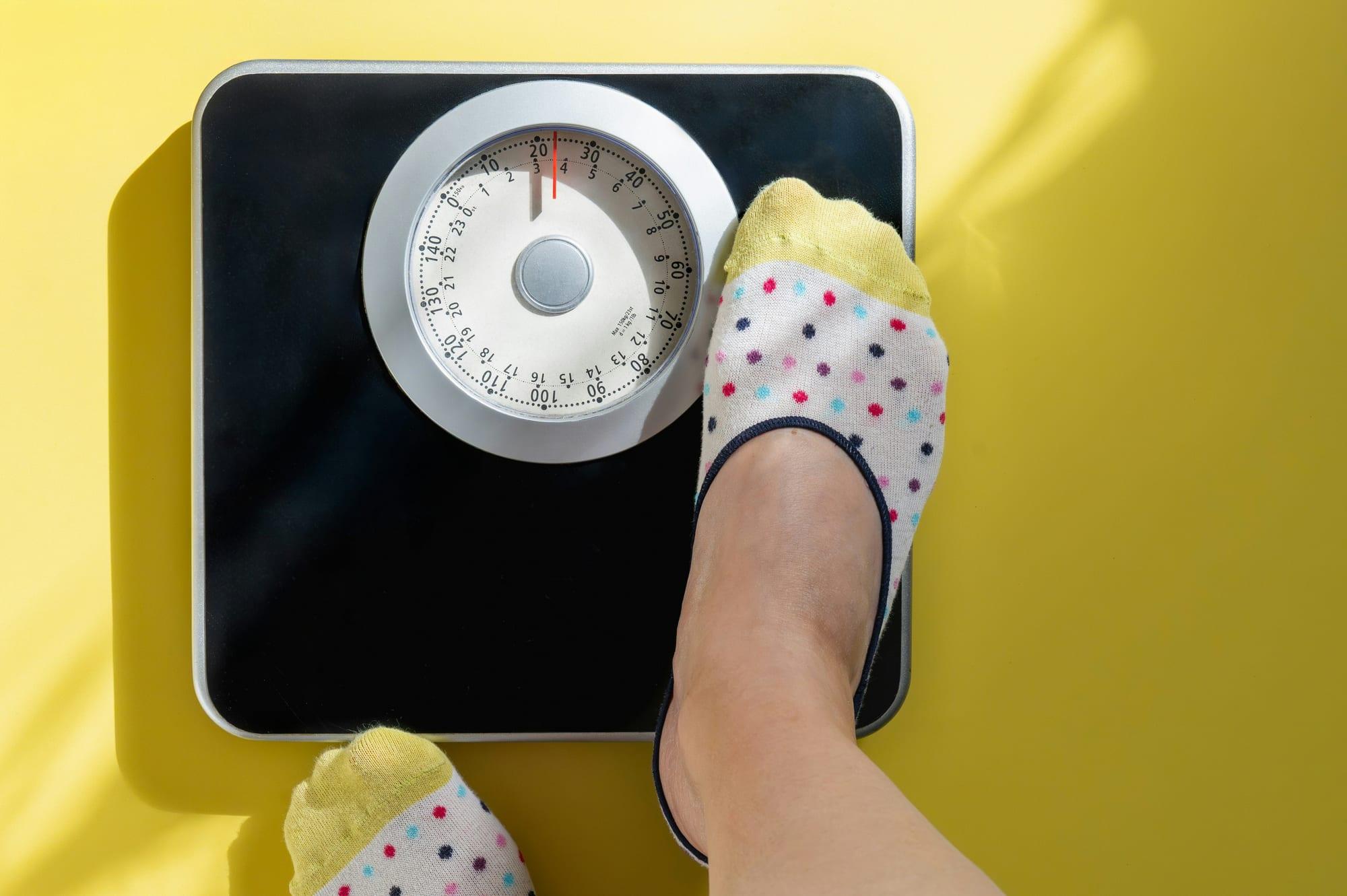
Yes, creatine can make the scale go up, but not because you're gaining fat. If you start with a loading phase, most people gain about 1–2 lb (0.5–1 kg) in the first week, and that's mostly water pulled into your muscles. Over the following weeks and months, any further gain usually comes from extra muscle you build because creatine helps you train harder. Research consistently shows creatine doesn't increase body fat.
Here's what's happening, how to avoid the early jump, and how to read the scale while you're taking it.
The Short Answer
| Question | Answer |
|---|---|
| Will I gain weight on creatine? | Possibly 1–2 lb at first, mostly water |
| Is it fat? | No. Studies show no increase in fat mass |
| Is the water "bloat"? | No. It's stored inside muscle cells, not under the skin |
| Can I avoid it? | Skip the loading phase and take 3–5 g a day |
| Will I keep gaining? | Only if you build muscle, which is the point |
Why Creatine Adds Water Weight
Your muscles store creatine, and creatine draws water with it. When you start taking it, your muscles soak up extra creatine over the first few days to weeks, and a bit of extra water comes along.
The International Society of Sports Nutrition notes that early studies found creatine loading caused about 0.5–1.0 L of extra fluid, roughly in line with the weight people gained, and that weight gain is the only consistently reported side effect of creatine (ISSN position stand).
Two things are worth knowing about that water:
- It's inside your muscles, not under your skin. Most of it is intracellular water, inside the muscle cells. That's different from the puffy, under-the-skin bloating many people picture.
- It doesn't keep building up. A 2021 review by creatine researchers found that the extra water mostly shows up in the first several days. In studies lasting 5–10 weeks with training, most found no increase in total body water, or an increase in proportion to the extra muscle (Antonio et al., JISSN 2021).
Does Creatine Make You Gain Fat?
No. The same 2021 review looked at randomized controlled trials lasting from one week to two years and found no increase in fat mass from creatine. In several studies, fat-free mass (muscle, water and other non-fat tissue) went up while fat mass stayed the same.
Creatine has no calories to speak of. A 5 g dose is a teaspoon of powder, and it doesn't change your appetite. If you gain fat while taking it, the cause is your diet, not the creatine.
Water Weight vs Muscle: How to Tell
| Water weight | Muscle gain | |
|---|---|---|
| When | First 1–2 weeks, mostly with loading | Gradually over months |
| How much | Usually 1–2 lb | Depends on your training and diet |
| What you notice | Scale jumps; muscles may look a bit fuller | Getting stronger; clothes fit differently |
| Does it continue? | No, it levels off | Yes, as long as you keep training and eating enough |
A good rule: a quick jump in the first week is water; a slow climb over months alongside strength gains is muscle.
How to Avoid the Early Weight Jump
If you'd rather not see the scale move, skip the loading phase.
- Loading means about 20 g a day (four 5 g doses) for 5–7 days, then 3–5 g a day. It fills your muscles in about a week, and it's the approach most associated with the quick weight jump.
- No loading means just 3–5 g a day from the start. In a classic study, 3 g a day for 28 days filled muscle creatine stores to the same level as 20 g a day for six days (Antonio et al., JISSN 2021).
For most people, a steady 3–5 g a day is the simpler choice. The weight change, if any, is smaller and more gradual. Our creatine loading phase guide explains both approaches, and the creatine dosage guide covers how much to take.
What If You're Trying to Lose Weight?
Creatine can still help. It doesn't add fat, and it helps you keep training hard, which helps you hold on to muscle while you're in a calorie deficit. Just expect the scale to be a little less useful for a couple of weeks:
- Track your waist and how clothes fit, not just your weight.
- Compare weekly averages, not day-to-day changes. Water shifts from salt, carbs and hormones swing the scale more than creatine does.
- Give it two to four weeks. After the initial change, your weight trend will reflect your diet again.
Is the Weight Gain Different for Women?
Water changes during the menstrual cycle can make any scale reading harder to interpret, but the basics are the same: creatine doesn't add fat, and skipping the loading phase keeps any water gain small. Our best creatine for women covers dosing and product picks.
Is Creatine Weight Gain a Health Concern?
Not for healthy people. The small amount of extra water is stored in muscle and isn't the same as fluid retention from a medical condition. Creatine is one of the most-studied supplements and is considered safe for healthy adults at normal doses. If you have kidney disease or another medical condition, check with your doctor first. More in is creatine safe?
FAQ
How much weight will I gain on creatine?
Usually 1–2 lb (0.5–1 kg) in the first week if you do a loading phase, and less, more gradually, if you take 3–5 g a day from the start. Any gain after that comes from building muscle.
Will the weight go away if I stop taking creatine?
The water weight will. Your muscle creatine levels drop back to normal over roughly four to six weeks after you stop, and the extra water goes with it. Muscle you built while training stays as long as you keep training.
Does creatine make you look bloated?
Not usually. The extra water is stored inside muscle cells, so if anything muscles may look slightly fuller. Puffiness under the skin isn't a typical effect at normal doses. Some people get stomach bloating from large single doses during loading; splitting doses or skipping loading helps.
Does creatine gummy or HCl cause less weight gain?
There's no good evidence that other forms cause less water weight. Plain creatine monohydrate is the best-studied form. If you want to avoid the jump, skip loading rather than switching forms. If you're considering gummies, read whether creatine gummies work first.
Should I take creatine if I don't want to gain weight?
Yes, if you want its strength and performance benefits. Take 3–5 g a day without loading, and judge progress by how you look, feel and perform rather than the scale alone.
The Bottom Line
Creatine can add a pound or two on the scale, mostly as water stored in your muscles, and mostly if you load. It doesn't add fat. Skip the loading phase to keep the change small, and over time, any weight you gain should be the muscle you're working for. New to it? Start with our guide to creatine for beginners.
Top creatine picks from our reviews
Ranked in Top 10 Cleanest Creatines.
- Momentous CreatineCheck price on Amazon →
- Thorne CreatineCheck price on Amazon →
- Naked Nutrition CreatineCheck price on Amazon →
As an Amazon Associate we earn from qualifying purchases.
Not medical advice. This article is for information only. Talk to a qualified healthcare professional before starting any new supplement, especially if you have a health condition or take medication.
Written by
Nathan
Founder of FuelStackr. Nathan breaks down supplement labels, compares products, and tests what he recommends across four training sessions a week with a pro trainer.
Keep reading
 Creatine
Do Creatine Gummies Work? What Independent Lab Tests Found
Creatine works in any form, but independent lab tests found many creatine gummies contain far less creatine than the label says, and some contain none. Here's what the tests showed and what to buy instead.
6 min read
 Creatine
 for Beginners: A Comprehensive Guide to Boost Your Fitness
When it comes to enhancing performance and building muscle, creatine is one of the most researched and effective supplements available. But for beginners, the world of supplements…
3 min read
 Creatine
Best Creatine Gummies: Only Brands With Verified Dosing
Most creatine gummies have never been checked by anyone independent, and many that were failed. These five are NSF Certified for Sport, and two also passed an independent lab test.
6 min read