
Is Protein Powder Safe? Benefits, Risks, and Side Effects
This post contains affiliate links. If you buy through them, we may earn a commission at no extra cost to you. Read our affiliate disclosure
On this page
- What Is Protein Powder?
- The Benefits of Protein Powder
- Common Side Effects of Protein Powder
- Digestive Discomfort
- Allergic Reactions
- Kidney and Liver Concerns
- Bone Health
- Product Quality and Contaminants
- How to Choose the Right Protein Powder
- How to Use Protein Powder Safely
- Ways to Use Protein Powder
- The Bottom Line
Is protein powder safe? For most healthy people, yes — protein powder is a safe and convenient way to hit your protein target when you use a quality product at normal servings. The real issues are digestive side effects for some people, allergies, product quality, and overdoing total protein if you have kidney or liver problems.
This guide covers the benefits, the side effects to watch for, and how to pick a cleaner powder.
What Is Protein Powder?
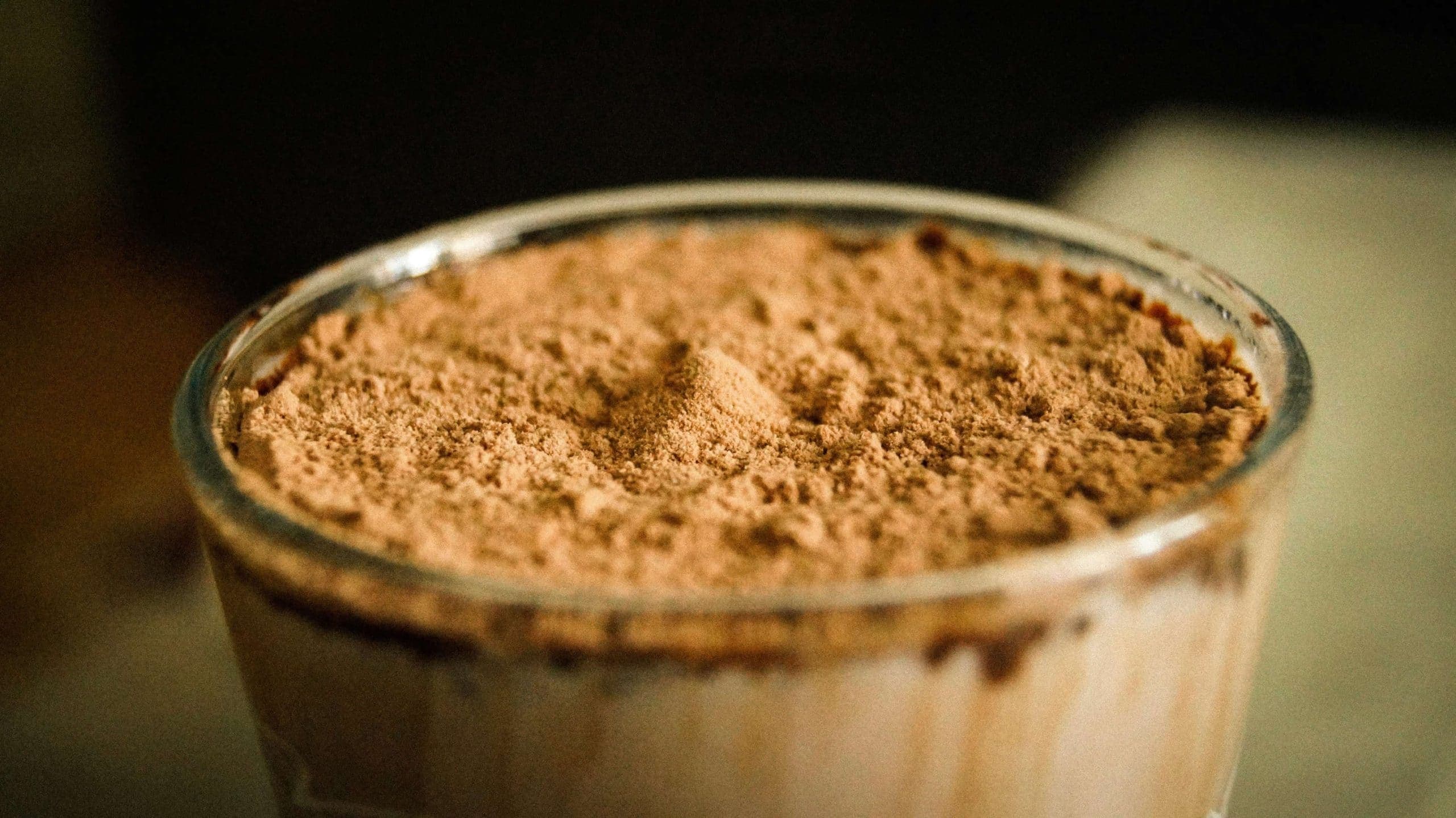
Protein powder is a supplement made by extracting protein from animal or plant sources. Common types include whey, casein, egg, soy, pea, rice, and hemp. People use it to build muscle, recover from training, manage weight, or simply get enough protein when whole foods fall short.
The Benefits of Protein Powder
- Muscle growth and recovery: Protein is essential for repairing and building muscle. A shake after training is an easy way to get it. See the best protein powder for muscle gain.
- Weight management: Higher-protein diets help control appetite and protect muscle while you lose fat. See top protein powders for weight loss.
- Convenience: A scoop takes seconds and travels well.
- Filling gaps: Helpful for people with high needs, small appetites, or restricted diets.
Common Side Effects of Protein Powder
Protein powder is generally safe, but some people experience side effects.
Digestive Discomfort
The most common complaint is bloating, gas, or cramps. It's often caused by lactose in whey concentrate, or by added sweeteners and gums. If dairy bothers you, try a whey isolate (very low lactose) or a plant protein like pea or rice. See whey isolate vs concentrate.
Allergic Reactions
Powders made from milk, soy, or egg can trigger reactions in people with those allergies, from mild rashes to severe reactions. Read labels carefully, including "may contain" warnings.
Kidney and Liver Concerns
High protein intake hasn't been shown to harm the kidneys or liver in healthy people. If you already have kidney or liver disease, though, protein intake matters, so talk to your doctor before using protein supplements.
Bone Health
Older theories suggested high protein intake leaches calcium from bones. More recent research generally finds protein is neutral or helpful for bone health when calcium intake is adequate.
Product Quality and Contaminants
Supplements aren't approved by the FDA before they're sold, so quality varies. Some powders contain fillers, artificial additives, or trace contaminants. To reduce risk:
- Choose brands with third-party testing (NSF Certified for Sport, Informed Choice, or similar).
- Prefer short ingredient lists without proprietary blends.
- See our ranking of the cleanest protein powders.
How to Choose the Right Protein Powder
- Start with your goal: muscle gain, weight loss, or general nutrition.
- Check the ingredients for added sugar, fillers, and allergens.
- Match your diet: whey or casein if dairy is fine, plant blends if you're vegan or dairy-sensitive. See plant protein vs whey.
- Research the brand and look for testing certifications.
For a full walkthrough, read how to choose a protein powder.
How to Use Protein Powder Safely
- Stick to the serving size on the label.
- Count it toward your daily total. Most active people do well with roughly 1.6–2.2 g of protein per kg of body weight a day; see how much protein you need per day.
- Keep whole foods first. Use powder to fill gaps, not replace meals every day.
- Stay hydrated and notice how your stomach responds; switch types if you get symptoms.
New to it? Start with protein powder for beginners.
Ways to Use Protein Powder
- Post-workout shake with water or milk.
- Smoothie with fruit, greens, and a healthy fat for a balanced meal.
- Baking: pancakes, muffins, or energy bars.
- Snacks: stirred into yogurt or oatmeal.
The Bottom Line
Protein powder is safe for most healthy people when you choose a tested, quality product and keep total protein reasonable. If you get stomach issues, switch to an isolate or plant protein. If you have kidney or liver disease, allergies, or take medication, check with a healthcare professional first.
Top protein powders picks from our reviews
Ranked in The Top 10 Cleanest Protein Powders: Pure Nutrition Picks.
- Transparent Labs Grass-Fed Whey Protein IsolateCheck price on Amazon →
- Momentous Essential Grass-Fed Whey Protein IsolateCheck price on Amazon →
- Naked Nutrition Grass-Fed WheyCheck price on Amazon →
As an Amazon Associate we earn from qualifying purchases.
Not medical advice. This article is for information only. Talk to a qualified healthcare professional before starting any new supplement, especially if you have a health condition or take medication.
Written by
Nathan
Founder of FuelStackr. Nathan breaks down supplement labels, compares products, and tests what he recommends across four training sessions a week with a pro trainer.
Keep reading
 Protein Powders
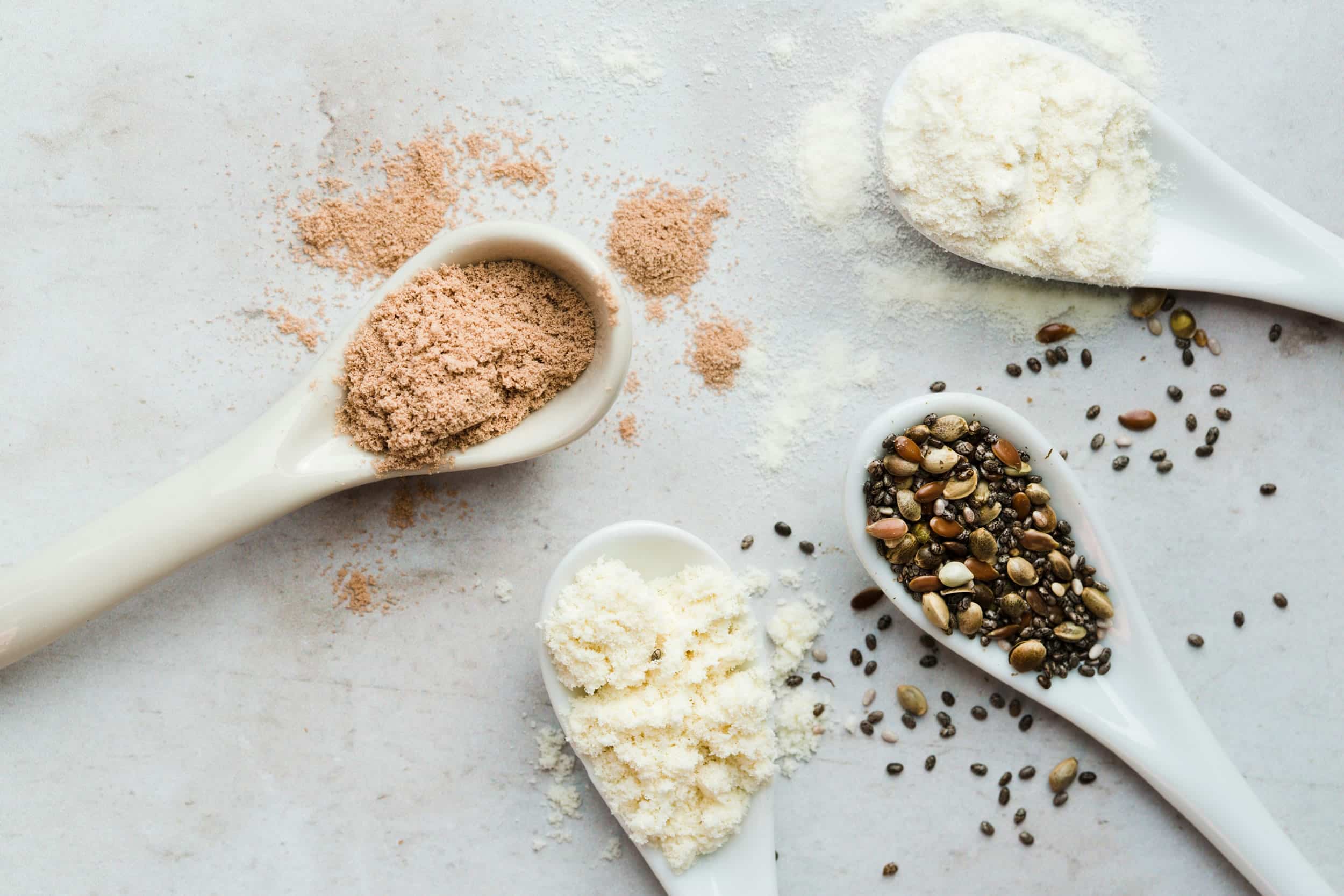
Top Plant-Based Protein Powders for Health and Fitness
As more people embrace a healthier lifestyle, the demand for plant-based protein powders has surged. Whether you’re a vegan, vegetarian, or simply looking to diversify your protein sources, plant-based…
3 min read
 Protein Powders
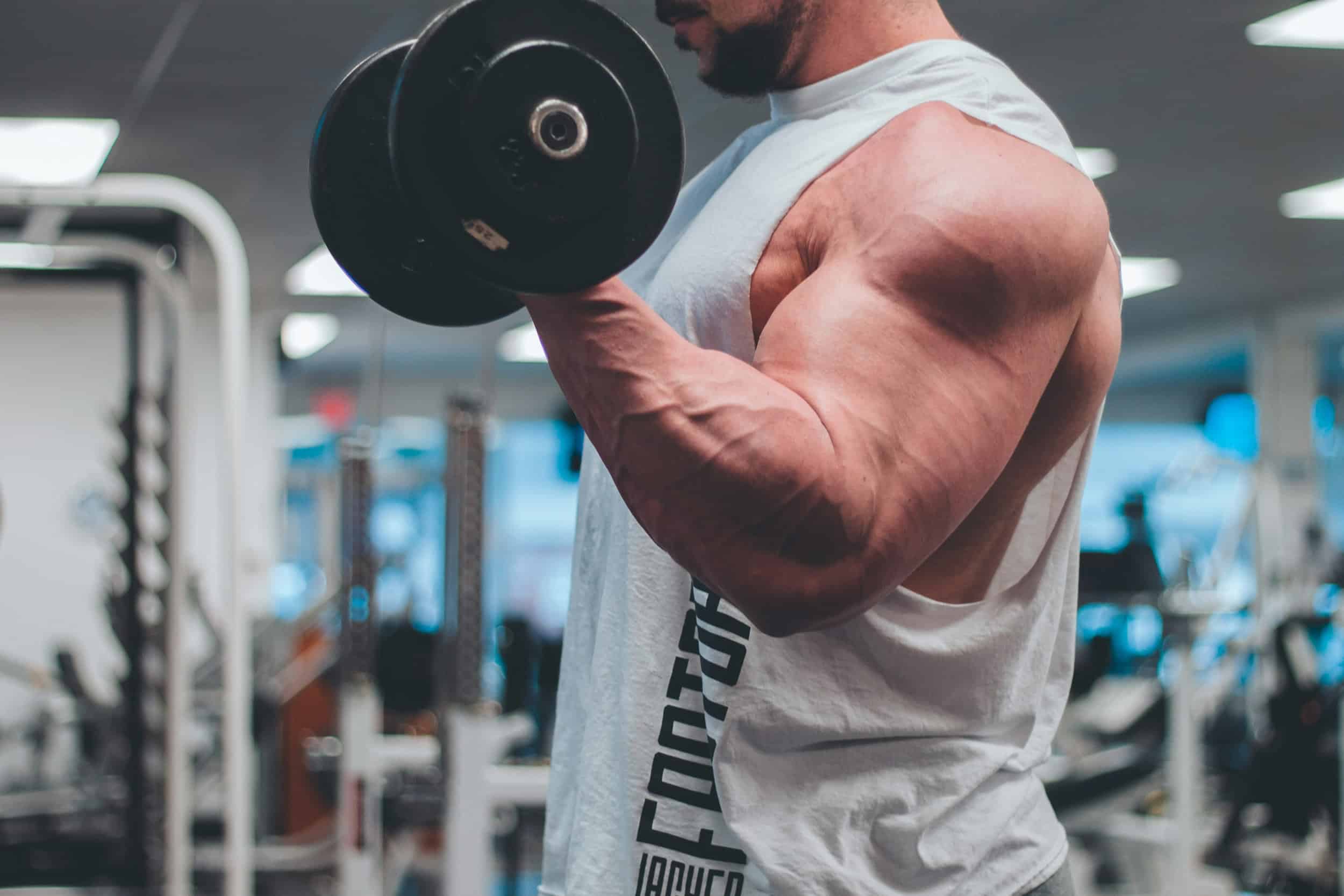
The Ultimate Guide to Protein Powder for Muscle Gain
In the quest for building muscle, protein powder has emerged as a staple supplement for athletes and fitness enthusiasts alike. Understanding its role,…
3 min read
Protein PowdersHow to Choose Protein Powder
Choosing the right protein powder can feel like navigating a maze, especially if you’re new to training or looking to level up. My journey with protein powder began during my first sessions,…
5 min read