
Introduction
Protein powder has become a staple in the diets of athletes, bodybuilders, and fitness enthusiasts. It promises a convenient way to increase protein intake, support muscle growth, and enhance recovery. However, like any supplement, protein powder can have side effects. Understanding these potential side effects is crucial for anyone considering adding protein powder to their diet. This article will explore the various side effects of protein powder and provide guidance on how to use it safely and effectively.
What is Protein Powder?
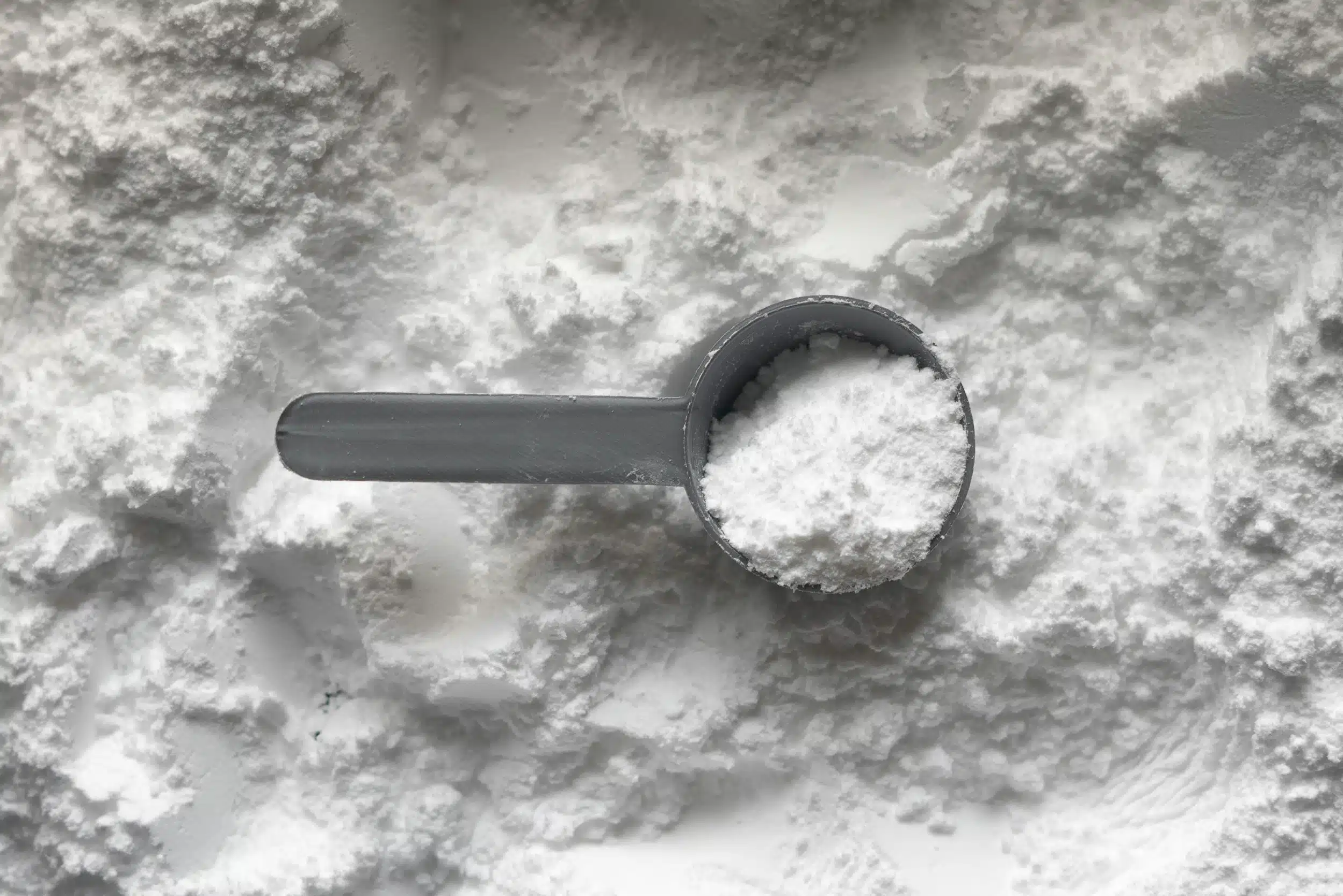
Protein powder is a dietary supplement made from extracting proteins from animal or plant-based sources. Common types include whey, casein, soy, pea, and hemp protein powders. These powders are often used to supplement protein intake, especially for those who engage in intense physical activities or have dietary restrictions that limit protein consumption from whole foods.
Common Side Effects of Protein Powder
While protein powder is generally considered safe for most people, some may experience side effects. Here are some common issues:
Digestive Discomfort
One of the most reported side effects is digestive discomfort. This can include symptoms like bloating, gas, and stomach cramps. These symptoms are often due to lactose intolerance, especially with whey protein, which contains lactose. Those with lactose intolerance might consider lactose-free options like pea or soy protein.
Kidney Strain
There is a common concern that high protein intake can strain the kidneys. While this is generally not an issue for healthy individuals, those with pre-existing kidney conditions should consult a healthcare provider before using protein supplements.
Allergic Reactions
Some individuals may experience allergic reactions to certain types of protein powders, particularly those derived from milk or soy. Symptoms can range from mild skin rashes to severe anaphylaxis. It’s important to read labels carefully and opt for hypoallergenic options if necessary.
Long-term Health Implications
Beyond immediate side effects, there are concerns about the long-term health implications of excessive protein powder consumption. Here are some points to consider:
Bone Health
Some studies suggest that high protein intake, particularly from animal sources, can lead to calcium loss and negatively impact bone health. However, this is still a debated topic, and more research is needed.
Impact on Liver Function
There is limited evidence to suggest that excessive protein consumption can affect liver function. Those with liver conditions should be cautious and seek medical advice before increasing protein intake.
Choosing the Right Protein Powder
To minimize side effects, it’s essential to choose the right protein powder for your body and dietary needs. Consider the following tips:
- Check for additives and preservatives that may cause adverse reactions.
- Opt for organic or natural protein powders to avoid artificial ingredients. For more information on selecting the best options, you can refer to How to Choose Protein Powder in 2025.
- Consider plant-based protein powders if you have lactose intolerance or dairy allergies.
- Consult with a nutritionist or healthcare provider to find the best option for you.
How to Use Protein Powder Safely
Here are some best practices to ensure safe consumption of protein powder:
- Follow the recommended serving size on the packaging.
- Balance protein powder intake with whole food sources of protein. If you’re new to using protein powders, you might find the article Protein Powder for Beginners: What to Know in 2025 helpful.
- Stay hydrated to help your body process protein efficiently.
- Monitor your body’s response and adjust intake if you experience side effects.
Protein powder can be a beneficial addition to your diet if used correctly. By understanding potential side effects and choosing the right product, you can enjoy the benefits while minimizing risks. Always consider your personal health conditions and consult professionals when needed.
Written & Reviewed by Nathan Riley
Nathan Riley is the founder of FuelStackr and has spent extensive time researching supplements, ingredient formulations, and performance-focused nutrition. His work focuses on breaking down supplement labels, comparing products, and helping users make informed decisions.
