
Creatine for Women: Benefits, Dosage and Myths
This post contains affiliate links. If you buy through them, we may earn a commission at no extra cost to you. Read our affiliate disclosure
On this page
- Why Creatine Matters for Women
- The Benefits of Creatine for Women
- Strength and training
- Muscle and strength after menopause
- Mood and brain health
- How Much Creatine Should Women Take?
- Creatine Myths Women Hear Most
- "Creatine will make me bulky"
- "Creatine makes you gain weight and look bloated"
- "Creatine is only for men or bodybuilders"
- "Creatine is bad for your kidneys"
- "Creatine causes hair loss"
- "I need a creatine made for women"
- Creatine and Your Menstrual Cycle
- Pregnancy and Breastfeeding
- How to Choose a Creatine
- FAQ
- Should women take creatine?
- How long does it take for creatine to work for women?
- Will creatine make me gain weight?
- Can I take creatine during my period?
- Is creatine safe for women long term?
- The Bottom Line
Yes, creatine works for women, and it may matter even more for women than for men. Women naturally store less creatine, and studies show it helps women get stronger and perform better when they train. The dose is the same as for men: 3–5 g of creatine monohydrate a day. It won't make you bulky, and if you skip the loading phase, most women see little or no change on the scale.
Here's what the research actually shows, how to take it, and which myths you can ignore.
Why Creatine Matters for Women
Creatine is made in your body and stored mostly in your muscles, with some in your brain. It helps recycle ATP, the energy your muscles use for short, hard efforts like lifting, sprinting and jumping.
A 2021 review on creatine in women's health highlights two key differences:
- Women have 70–80% lower natural creatine stores than men.
- Women tend to eat less dietary creatine, which mostly comes from meat and fish.
Lower starting stores mean more room to top them up. The same review notes that hormones, especially estrogen, affect how the body makes and uses creatine, so needs may shift across the menstrual cycle, pregnancy and menopause.
The Benefits of Creatine for Women
Strength and training
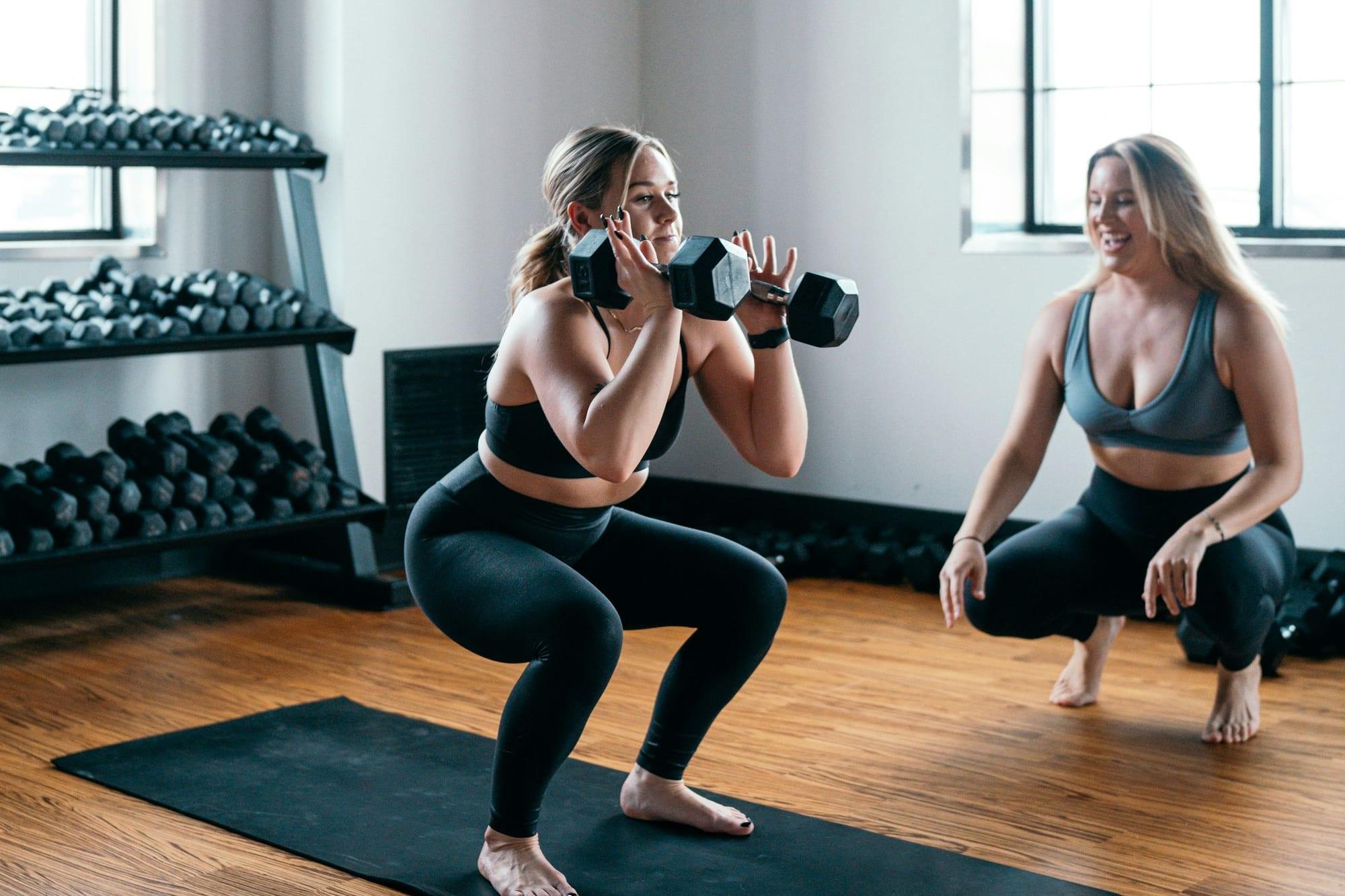
This is where the evidence is strongest. In studies of women who lift, creatine plus strength training generally leads to bigger strength gains than training alone. For example, in a small study of collegiate female soccer players, the creatine group increased their bench press by 18% and squat by 24% over 13 weeks of training, compared with 9% and 12% in the placebo group.
Not every study finds a benefit, especially for endurance-style or interval training. Creatine helps most with short, intense efforts and repeated bouts with short rests, like sets in the gym. If you're new to it, our creatine for beginners guide covers the basics.
Muscle and strength after menopause
Women lose muscle and bone faster after menopause as estrogen drops. A 2026 meta-analysis of seven trials in postmenopausal women found that creatine led to:
- Slightly more lean mass (about 0.4 kg more than placebo).
- More leg-press strength (about 7.5 kg more than placebo).
The benefits showed up when women took at least 5 g a day and did resistance training. Trials using 3 g a day or less without training showed no measurable effect. Bone density didn't change overall. So creatine isn't a replacement for lifting, but it helps you get more out of it.
Mood and brain health
Your brain uses creatine too, and early research is promising. In small trials of women with major depression who were already taking antidepressants, adding 5 g of creatine a day improved symptoms faster than medication alone. That's encouraging, but it's early research, not a treatment. If you're dealing with depression, talk to your doctor before adding anything.
How Much Creatine Should Women Take?
The same amount as men: 3–5 g of creatine monohydrate a day. The 2021 review found women respond to standard dosing just like men do.
You have two options:
| Approach | How | How long to saturate |
|---|---|---|
| Daily dose (simplest) | 3–5 g once a day | About 3–4 weeks |
| Loading phase | 20 g a day, split into four 5 g doses, for 5–7 days, then 3–5 g a day | About 1 week |
Both end up in the same place. Loading just gets you there faster, but it's more likely to cause a small, temporary bump on the scale and some stomach upset. For most women, the daily dose is the easier choice.
A few practical tips:
- Take it every day, including rest days. Consistency matters more than timing.
- Timing doesn't matter much. Morning, after your workout, with a meal: pick whatever you'll remember. More in when to take creatine.
- Mix it with any drink. Unflavored creatine monohydrate dissolves in water, coffee, juice or a protein shake.
Our creatine dosage guide and loading phase guide go deeper.
Creatine Myths Women Hear Most
"Creatine will make me bulky"
No. Creatine helps you train a little harder, which can help you build muscle over time, but it doesn't add muscle on its own. Building a lot of muscle takes years of heavy training and eating in a calorie surplus. Most women who take creatine simply get a bit stronger.
"Creatine makes you gain weight and look bloated"
Creatine pulls water into your muscles, not under your skin. If you load, the scale may go up a pound or two in the first week, and the 2021 review notes this jump is more common in men than in women. Skip loading and most women see little or no change. Our guide to whether creatine makes you gain weight explains what's happening.
Stomach upset is usually caused by taking a large single dose. Stick to 3–5 g at a time.
"Creatine is only for men or bodybuilders"
Creatine is one of the most-studied supplements in the world, and a growing share of that research is in women, including athletes, older women and women after menopause.
"Creatine is bad for your kidneys"
Not in healthy people. A systematic review cited in the 2021 paper found no harmful effects on the stomach, kidneys, liver or heart in women taking creatine. If you have kidney disease or another medical condition, check with your doctor first. More in is creatine safe?
"Creatine causes hair loss"
There's no good evidence for this. The worry traces back to one small 2009 study in male rugby players that measured a hormone linked to hair loss (DHT). It didn't measure hair, and it hasn't been confirmed since.
"I need a creatine made for women"
You don't. Plain creatine monohydrate works the same for everyone. "Women's" creatine products often cost more, and some add ingredients you don't need. Check the Supplement Facts panel for 3–5 g of creatine monohydrate per serving.
Creatine and Your Menstrual Cycle
Hormones affect creatine levels across the cycle, and some researchers think creatine may be especially useful in the luteal phase (the second half of your cycle). But the research is still limited, and there's no evidence you need to change your dose by cycle phase. Just take it every day.
Pregnancy and Breastfeeding
Creatine is being studied for pregnancy, and early animal research is promising, but there are no human studies on creatine supplements during pregnancy yet. If you're pregnant, trying to get pregnant or breastfeeding, talk to your doctor before taking it.
How to Choose a Creatine
- Pick creatine monohydrate. It's the form with the most research. Other forms like creatine HCl cost more without proven extra benefit. See creatine monohydrate vs HCl.
- Look for third-party testing, like NSF Certified for Sport or Informed Sport, so you know what's in the tub.
- Keep it simple. Unflavored, single-ingredient creatine is the most versatile and usually the best value.
Thorne Creatine is unflavored creatine monohydrate, 5 g per scoop, and NSF Certified for Sport:
Thorne Creatine
Naked Nutrition Creatine is a single-ingredient, unflavored creatine monohydrate that mixes easily into any drink:
Naked Nutrition Creatine
If you'd rather not deal with powder, read whether creatine gummies work before buying. Many have been found to contain less creatine than the label says. For more picks, see our best creatine for women.
FAQ
Should women take creatine?
If you strength train or do high-intensity exercise, creatine is one of the few supplements with strong evidence behind it. Women store less creatine than men, so they may benefit at least as much. It's especially worth considering after menopause, combined with strength training.
How long does it take for creatine to work for women?
With a daily 3–5 g dose, your muscles are fully topped up in about 3–4 weeks. With a loading phase, it takes about a week. Strength benefits then build over weeks to months of training.
Will creatine make me gain weight?
Maybe a pound or two at first, mostly water inside your muscles, especially if you load. It doesn't add fat. Skipping the loading phase keeps any change small.
Can I take creatine during my period?
Yes. There's no reason to stop or change your dose during your period. Take it every day as usual.
Is creatine safe for women long term?
For healthy women, research hasn't found harmful effects at standard doses, including in studies lasting up to two years. If you have a medical condition, are pregnant or take regular medication, check with your doctor first.
The Bottom Line
Creatine works for women, and the dose is the same as for men: 3–5 g of creatine monohydrate a day. It helps you get stronger when you train, may help preserve muscle after menopause, and won't make you bulky. Skip the loading phase if you want to avoid any change on the scale, take it every day, and choose a third-party tested monohydrate.
Products in this article
- Thorne CreatineCheck price on Amazon →
- Naked Nutrition CreatineCheck price on Amazon →
As an Amazon Associate we earn from qualifying purchases.
Not medical advice. This article is for information only. Talk to a qualified healthcare professional before starting any new supplement, especially if you have a health condition or take medication.
Written by
Nathan
Founder of FuelStackr. Nathan breaks down supplement labels, compares products, and tests what he recommends across four training sessions a week with a pro trainer.
Keep reading
 Creatine
Best Creatine Monohydrate for Women: Top 10 Picks
Training hard with my four weekly sessions has taught me a lot about what fuels my body best, and my trainer has been a big part of that journey. Lately, I’ve been…
11 min read
 Creatine
Does Creatine Make You Gain Weight? Water vs Muscle Explained
Creatine can add 1–2 lb on the scale in the first week, mostly water stored inside your muscles. It doesn't add fat. Here's what's happening, how to avoid the jump, and what the scale means over time.
6 min read
 Creatine
Do Creatine Gummies Work? What Independent Lab Tests Found
Creatine works in any form, but independent lab tests found many creatine gummies contain far less creatine than the label says, and some contain none. Here's what the tests showed and what to buy instead.
6 min read